Skin Science · April 11, 2026
Smart Beauty Devices vs. Traditional Tools: Is the Investment Worth It?
AI mirrors and nano infusion devices, compared honestly against traditional tools and clinic treatments.
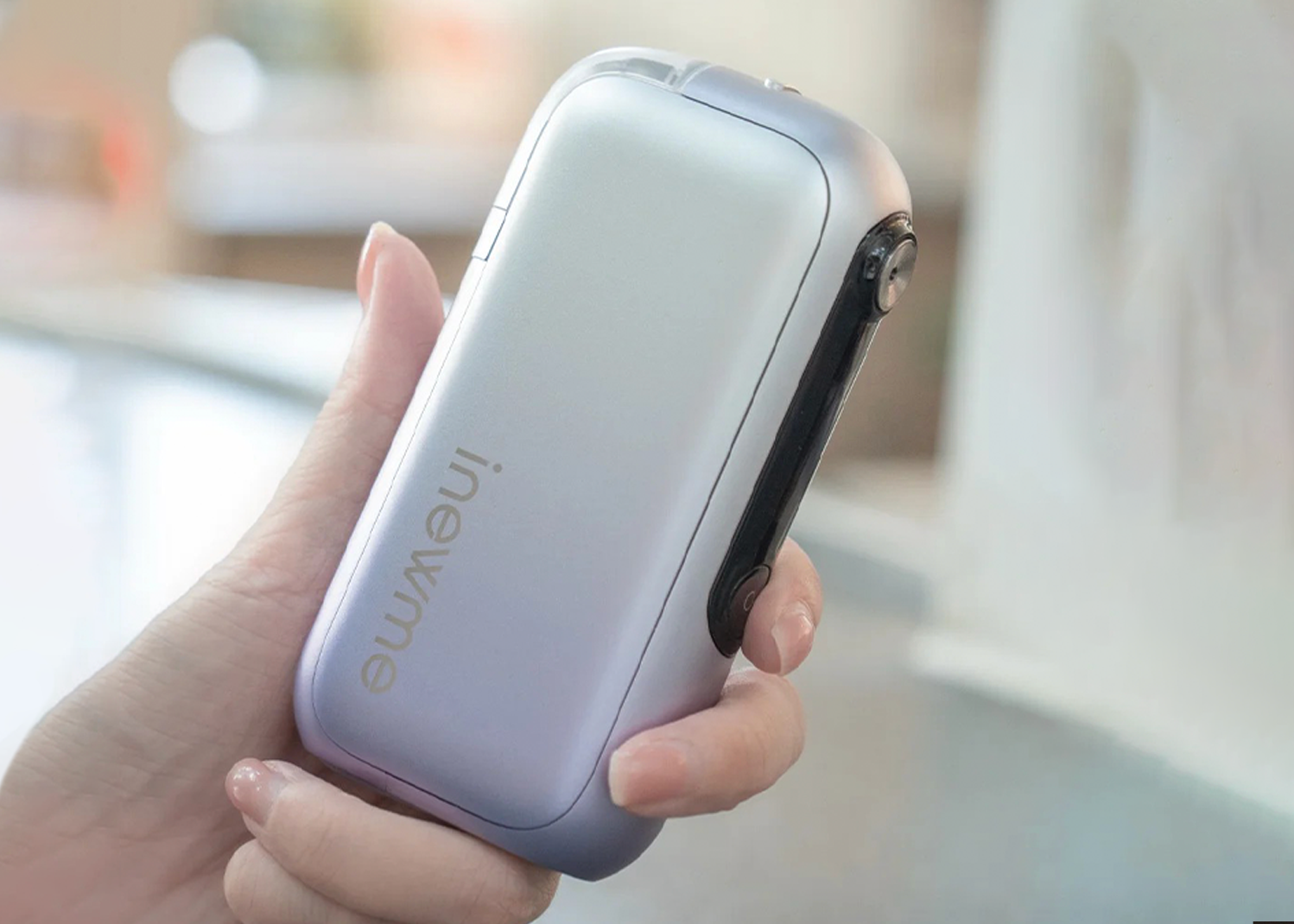
The beauty device market has exploded, and with it comes a legitimate question: are high-tech tools like AI mirrors and nano infusion devices genuinely worth the investment, or are they premium-priced versions of tools you already own?
The Real Cost of Traditional Skincare
Think about what the average skincare enthusiast spends annually — high-end moisturizers, serums, professional facials, and dermatologist consultations. When you add it up, traditional skincare can easily cost $1,000–$3,000 or more per year. And much of that spend is based on guesswork: products that promise results but aren't tailored to your specific skin needs.
What Smart Devices Replace
The Aura Mirror Plus replaces the need for regular skin analysis appointments (typically $150–$300 per session) by delivering real-time, accurate skin data every day.
Over a 12-month period, the combination of both devices pays for itself multiple times over when compared against the professional treatments they replace.
What They Don't Replace
To be clear — smart beauty devices are tools, not doctors. They should complement (not replace) professional dermatological care for serious skin conditions. But for the vast majority of skincare goals — hydration, anti-aging, brightness, and evenness — they deliver exceptional, clinic-comparable results at home.
The Verdict
For anyone serious about their skin, smart beauty devices represent a one-time investment that consistently outperforms the cumulative cost of professional treatments and generic skincare products. The data-driven approach simply produces better, more consistent results.
← Back to Blog